Search This Blog

Showing posts with label Palos Verdes Peninsula. Show all posts

Wednesday, August 1, 2012

A Calendar for Growing Flowers in Coastal Southern California

AUGUST

Remember, all beautiful color you see here in winter and very early spring should be planned about this time. The roots get a fine start and much of the best blooms come from this early planting. If your garden is full of mums now, and you lack room, get pony packs and transplant into 4" plastic size pots, and have inexpensive plants ready to pop into place later. If you plant directly into the garden, do it at about 4 p.m. to give the plants a whole cool night to help them thru the next days heat. Shade them for part of the next day.

THING WINTER COLOR NOW, BUY BY LABOR DAY!

Our early color comes from planting these now. Stock, iceland poppies, calendula, snapdragons, and try some perennials, now, too. Try margurites, blue daisy, foxglove.

Some seeds could be sown in flats now, if that's your thing. Spring flowers and perennials. A few that do well sown in the garden and reseed year after year are: white allysum, forget-me-nots, bachelor buttons, lobelia, nasturtiums, impatients, California poppy, and orange African daisy, but most others need more care and the see is too expensive to waste trying to sow directly into the garden.

Stop fertilizing hibiscus and other subtropicals so they will harden off for winter.

California poppy if watered in a garden situation makes a fine garden flower. It blooms much longer than in the wild. Lack of rainfall keeps it from germinating on our local hillsides. Remember seeds must never dry out while germinating. California poppy comes in mixed colors. African daisies, the little orange and cream colored kind can be sown soon. They bloom for many winter months.

Now, you have thouh about your winter garden, let's see what needs doing this month.

POINSETTIAS may still be pinched back early this month. Just remove the last six inches of each stock to have double the number of blooms.

FUCHSIAS, keep the dead blooms picked and plan to cut some straggly branches back about six inches.

HIBISCUS should be fertilized for the last time this year, but lightly. Later fertilizing will result in growth tener to frost. This is true of many sub-tropicals.

CAMELLIAS must have mulch renewed or replaced to keep the roots cool and don't let them go in hot weather. Fertilize lightly and thing buds. Be careful not to remove the growing tip which can look like a bud.

IRIS should be ordered now.

MUMS should be cut to about 8" abou the first week in August, then do not cut again. Some gardeners do it a few weeks later but do it! Otherwise, they will get six feet tall and collapse.

Prepare areas for sweet peas, dig in manure, and R.S.A. Let set a few weeks, then plan early blooming kind. Remember they are heavy feeders. When six inches high, pinch tips out.

CALENDULA will get thrip so use systemic granules when planting and every six weeks. Thrip is what causes the buds on otherwise healthy plants to dry up. Thrip have eaten them from inside.

Sunday, July 1, 2012

A Calendar for Growing Flowers in Coastal Southern California

JULY

FERTILIZE, everything is growing fast and continues to need feeding. Water deeply and usually only once a week. Light sprinkling begets shallow roots. Mulch. Keeps weeds down and moisture in.

July is the best time to separate iris. Don't use any nitrogens when replanting, only super phosphate. Remember, the new growth does the blooming, the second year is the best bloom and the third is good, then consider dividing.

Roses, daylilies and many other things have bloomed and need feeding with low nitrogen fertilizer for more bloom. Epipilliums can be repotted now, they like to be grown in orchid bark.

Make cuttings of Martha Washington type geraniums after they finish bloom, or cut back a bit to give you good cutting wood next month.

If the weather is very hot, do not drown fuchsias, but rather sprinkle the area around them several times a day to increase the humidity they love.

Continue to keep your margurites thinned and they will continue to bloom. Make some zonal geranium cuttings this month, and when well rooted, consider throwing out the parent stock.

Buy foxglove seed, and plant for the next year.

Look over the garden, and the neighbors garden, and decide what you want for next year at this time. Write it on your calendar to buy and plant, at the right time. See what perrenials you could put in this fall, and consider flowering vines as easy color. Hold yourself in check next year when you plant in containers and remember what a chore watering is, and plan to put more things in the ground, for easier gardening. Think ahead about winter blooming containers, they don't require as much watering, try to plan to get these started early.

Carnations get thrip, so protect as buds form, with systemic granules. Petunias should be lightly pinched so they will not get leggy all at once.

Spend an hour sitting and thinking in your garden with a pencil and notebook in hand. Plan for a year from now. Then go write notes on your calendar for things to plant next year. Use more perennials, they will be there year after year.

Daylilies finish their first bloom now, and can use a good cleaning out of the old dead leaveas underneath. Cut down the old bloom stalks. If they are sending up too many side shoots eliminate some. Feed them a fertilizer with a high middle number.

Pinch back poinsettias.

Look carefully at your glads. Plan on moving them to places where their dying leaves won't show, for next year. Don't cut leaves back till fully brown. Then they can be dug, dried and saved for the next year. While in bloom mark the colors.

If you have vacant spots now, you can still slip in some marigolds or dwarf dahlias.

Lily of the Nile can hardly be beat. They bloom from June 1 to July 20, need no feed, look neat as a border plant all year, what more can you ask? Get one, divide it over and over again the next few years, and then leave it alone and you will have a huge display. Be sure to get some of the Peter Pan, half as high. Divide about a month after they bloom.

Fuchsias flaunt their beauty all summer. Red ones will take full sun along the coast while lighter colors need more shade. In July red fuchsias, white shastas, blue lily of the nile, yellow marguirte, golden gloriosa daisy, and lemon and yellow marigolds make the garden the most colorful of the year. Purple statice blooms like mad in July and Pink geraniums, roses and petunias complete the color palette. Tuck in a few lobelia, both dark and light and you'll never want to leave home.

Water deeply and keep fertilizing and weeding.

Friday, June 1, 2012

A Calendar for Growing Flowers in Coastal Southern California

June

The first step in having color in your garden is planning well ahead. This month plan for the mums that will make your garden a joy next October. Divide clumps now and make some cuttings too. If you are limited on space, put a few divisions or cuttings in 4" plastic pots and bring them along for the next six weeks then tuck them in. Keep tops pinched back till first week in August. The rewards are so great that I like to put a very small handful of all purpose organic fertilizer in each hole and also use a small spade and work up the soil for each plant and add some R.S.A. Plants can be obtained at nurseries or aske friends for divisions.

If you have fading foxgloves, you could pull them out and put the mums in. Speaking of foxglove, they are so worthwhile for tall colorful spikes, and have bloomed for almost two months. First, the tall cneter spike, which when faded is cut back, then, six or more small spikes all grouped. Spikes are hard to come by in the garden where most of the forms are rounded, so next fall do buy some foxgloves. Put it on your calendar for October. They take full sun on the coast. Colors white, purple, cream and pinkish. After the early spring bloom of the last few months, actually the best time in our gardens, there are literally garbage cans full of throwaway material. Consider putting this on the compost heap. Even if you have no time to turn a heap, it will eventually become compost.

Delphenium gets cut back when new growth appears at the base.

Early sweet peas are almost gone, you might have a few seeds before throwing them out. When you plant them next September pinch them once when six inches high. You will be happy about what a nice full bush that makes.

Early in June you could buy pony packs of many late summer annuals, put them in a good mix, half garden soil, half potting mix, in 4" plastic pots, then when all these bare spaces occur from pulling calendula, sweet peas, etc. your late summer things will be ready to pop up and flower. This is a great money saver. The nursery does it for you at about ten times the costs. If you plan ahead this way, you save money and make the garden show more color.

Iris should be divided in July if they have become too crowded, but if you have too many you might dig some now and throw away or give away and tuck summer annuals into the empty spaces.

Dwarf Dahlias can be bought in 4" pots in bloom so you can see the color. Tucked in now, they will give months of bloom in summer, and then die down to rise in full glory for years to come. Use systemic granules when you plant them, and every six weeks thereafter, while in bloom. Let the leaves die completely before cutting back.

Zinnias provide some summer color, they want good air circulation or get mildew.

Roses can be cut with long stems now.

Margurites should be kept groomed and thinned and they will bloom all year. Make some cuttings now. Many of the best summer bloomers are perrenials. Statice, lily of Nile, daylilies, roses and others. Plan on getting some in next fall, and your garden will have summer color. Gloriosa daisy could still be planted from 4" pots and give a lot of summer color for years to come. Protect from snails. Select roses now, when you see the colors, but buy in January, bareroot. Botanic gardens usually have them labeled.

In mid-June your fuchsias should be in full bloom. They are fairly expensive at this time but do go to a nursery and get the names of some you like and plan a basket for next year. Red ones are blooming now, in full sun, along the coast. Other colors give six months of color, tucked in semi shade in the garden, and trained as trees or bushes. Much easier than watering baskets all the time. Train them high, remember they look best from below, hence the popularity of fuchsia baskets. Learn to make fuchsia trees from basket types.

I suggest you get your social calendar and make an appointment with yourself on the above suggested dates and go out and do these things.

Keep fertilizing!

~Florence Sullivan

Friday, March 20, 2009

“Memory is the greatest of artists, and effaces from your mind what is

~ Maruice Barning

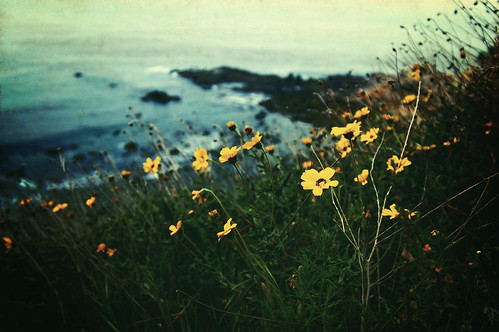
Happy First Day of Spring! I took my camera and headed down to the beach, where there were lovely blooming wildflowers. Theses lovely yellow flowers are likely in the Asteraceae family. It was rather foggy, but it was perfectly peaceful.


A Postcard from the Edge (in color)

Monday, October 13, 2008

The South Coast Botanic Garden Foundation

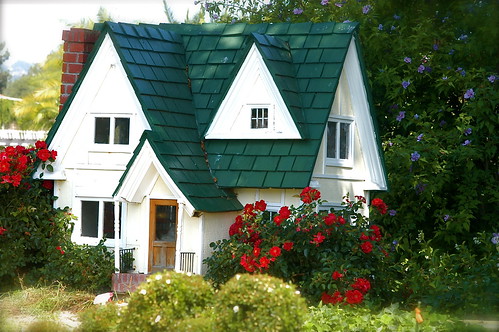
If you're an avid gardener, or just a person who wants a relaxing day in the garden, take a trip to the Palos Verdes Peninsula. There, you'll find the South Coast Botanic Garden, with 87 acres of beauty to experience and enjoy. This botanic garden holds beautiful garden gems.. like the lovely Children's Garden, complete with a child's size house...
In the Children's Garden

...a Dahlia Garden...
Dahlia
Heart Dahlia

...a Japanese Garden...
A Japanese Lantern

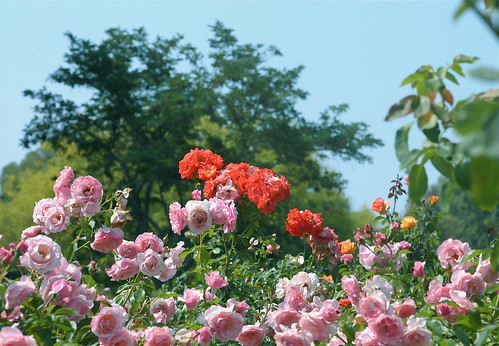
...a Rose Garden...
In the Rose Garden

...and more...
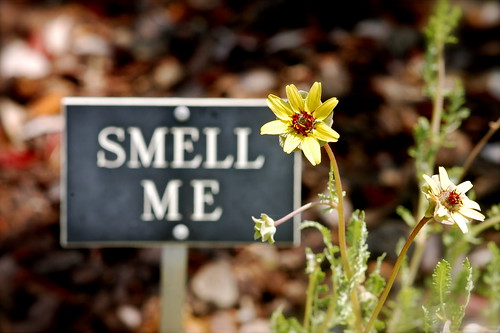
Smell Me

You must visit the South Coast Botanic Garden. They offer gardening classes, Girl Scout Badge programs, tours, and they have a garden shop with plants and gardening items. For more information visit their website at:
http://www.southcoastbotanicgarden.org/home.html