JULY
FERTILIZE, everything is growing fast and continues to need feeding. Water deeply and usually only once a week. Light sprinkling begets shallow roots. Mulch. Keeps weeds down and moisture in.
July is the best time to separate iris. Don't use any nitrogens when replanting, only super phosphate. Remember, the new growth does the blooming, the second year is the best bloom and the third is good, then consider dividing.
Roses, daylilies and many other things have bloomed and need feeding with low nitrogen fertilizer for more bloom. Epipilliums can be repotted now, they like to be grown in orchid bark.
Make cuttings of Martha Washington type geraniums after they finish bloom, or cut back a bit to give you good cutting wood next month.
If the weather is very hot, do not drown fuchsias, but rather sprinkle the area around them several times a day to increase the humidity they love.
Continue to keep your margurites thinned and they will continue to bloom. Make some zonal geranium cuttings this month, and when well rooted, consider throwing out the parent stock.
Buy foxglove seed, and plant for the next year.
Look over the garden, and the neighbors garden, and decide what you want for next year at this time. Write it on your calendar to buy and plant, at the right time. See what perrenials you could put in this fall, and consider flowering vines as easy color. Hold yourself in check next year when you plant in containers and remember what a chore watering is, and plan to put more things in the ground, for easier gardening. Think ahead about winter blooming containers, they don't require as much watering, try to plan to get these started early.
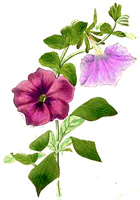
Carnations get thrip, so protect as buds form, with systemic granules. Petunias should be lightly pinched so they will not get leggy all at once.
Spend an hour sitting and thinking in your garden with a pencil and notebook in hand. Plan for a year from now. Then go write notes on your calendar for things to plant next year. Use more perennials, they will be there year after year.
Daylilies finish their first bloom now, and can use a good cleaning out of the old dead leaveas underneath. Cut down the old bloom stalks. If they are sending up too many side shoots eliminate some. Feed them a fertilizer with a high middle number.
Pinch back poinsettias.
Look carefully at your glads. Plan on moving them to places where their dying leaves won't show, for next year. Don't cut leaves back till fully brown. Then they can be dug, dried and saved for the next year. While in bloom mark the colors.
If you have vacant spots now, you can still slip in some marigolds or dwarf dahlias.
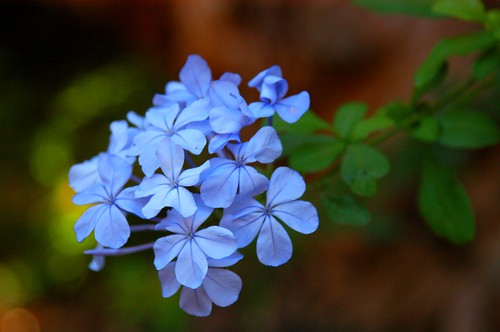
Lily of the Nile can hardly be beat. They bloom from June 1 to July 20, need no feed, look neat as a border plant all year, what more can you ask? Get one, divide it over and over again the next few years, and then leave it alone and you will have a huge display. Be sure to get some of the Peter Pan, half as high. Divide about a month after they bloom.
Fuchsias flaunt their beauty all summer. Red ones will take full sun along the coast while lighter colors need more shade. In July red fuchsias, white shastas, blue lily of the nile, yellow marguirte, golden gloriosa daisy, and lemon and yellow marigolds make the garden the most colorful of the year. Purple statice blooms like mad in July and Pink geraniums, roses and petunias complete the color palette. Tuck in a few lobelia, both dark and light and you'll never want to leave home.
Water deeply and keep fertilizing and weeding.
FERTILIZE, everything is growing fast and continues to need feeding. Water deeply and usually only once a week. Light sprinkling begets shallow roots. Mulch. Keeps weeds down and moisture in.
July is the best time to separate iris. Don't use any nitrogens when replanting, only super phosphate. Remember, the new growth does the blooming, the second year is the best bloom and the third is good, then consider dividing.
Roses, daylilies and many other things have bloomed and need feeding with low nitrogen fertilizer for more bloom. Epipilliums can be repotted now, they like to be grown in orchid bark.
Make cuttings of Martha Washington type geraniums after they finish bloom, or cut back a bit to give you good cutting wood next month.
If the weather is very hot, do not drown fuchsias, but rather sprinkle the area around them several times a day to increase the humidity they love.
Continue to keep your margurites thinned and they will continue to bloom. Make some zonal geranium cuttings this month, and when well rooted, consider throwing out the parent stock.
Buy foxglove seed, and plant for the next year.
Look over the garden, and the neighbors garden, and decide what you want for next year at this time. Write it on your calendar to buy and plant, at the right time. See what perrenials you could put in this fall, and consider flowering vines as easy color. Hold yourself in check next year when you plant in containers and remember what a chore watering is, and plan to put more things in the ground, for easier gardening. Think ahead about winter blooming containers, they don't require as much watering, try to plan to get these started early.
Carnations get thrip, so protect as buds form, with systemic granules. Petunias should be lightly pinched so they will not get leggy all at once.
Spend an hour sitting and thinking in your garden with a pencil and notebook in hand. Plan for a year from now. Then go write notes on your calendar for things to plant next year. Use more perennials, they will be there year after year.
Daylilies finish their first bloom now, and can use a good cleaning out of the old dead leaveas underneath. Cut down the old bloom stalks. If they are sending up too many side shoots eliminate some. Feed them a fertilizer with a high middle number.
Pinch back poinsettias.
Look carefully at your glads. Plan on moving them to places where their dying leaves won't show, for next year. Don't cut leaves back till fully brown. Then they can be dug, dried and saved for the next year. While in bloom mark the colors.
If you have vacant spots now, you can still slip in some marigolds or dwarf dahlias.
Lily of the Nile can hardly be beat. They bloom from June 1 to July 20, need no feed, look neat as a border plant all year, what more can you ask? Get one, divide it over and over again the next few years, and then leave it alone and you will have a huge display. Be sure to get some of the Peter Pan, half as high. Divide about a month after they bloom.
Fuchsias flaunt their beauty all summer. Red ones will take full sun along the coast while lighter colors need more shade. In July red fuchsias, white shastas, blue lily of the nile, yellow marguirte, golden gloriosa daisy, and lemon and yellow marigolds make the garden the most colorful of the year. Purple statice blooms like mad in July and Pink geraniums, roses and petunias complete the color palette. Tuck in a few lobelia, both dark and light and you'll never want to leave home.
Water deeply and keep fertilizing and weeding.




 Posts
Posts